
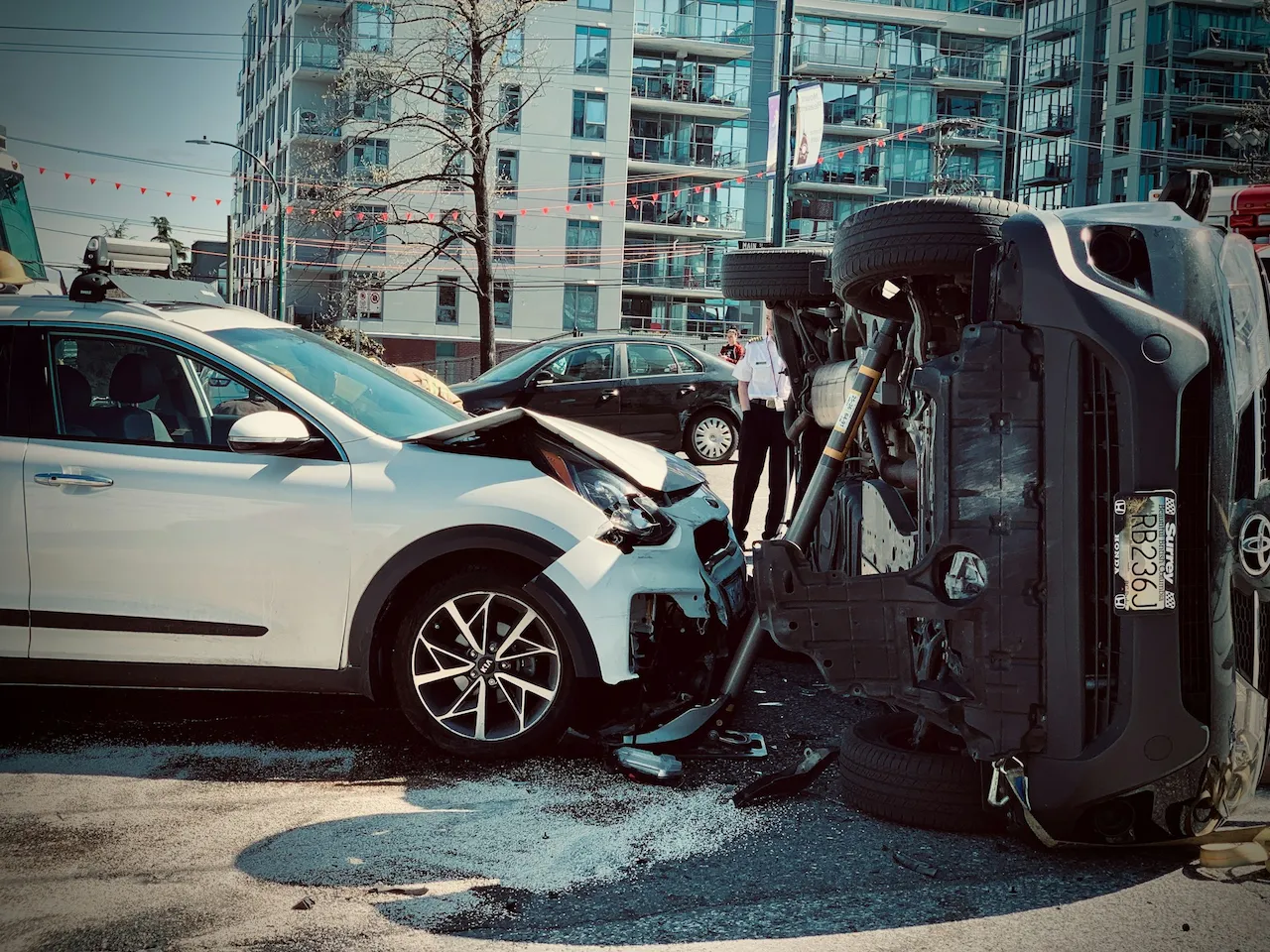
If the at-fault driver in your Seattle crash has no insurance, you may still have options. Washington law requires drivers to carry liability insurance, but when someone ignores that requirement, your own uninsured or underinsured motorist coverage (UM/UIM) and personal injury protection (PIP) may become the primary sources of recovery. The key is acting quickly, understanding how Washington’s insurance statutes work, and protecting your claim from the start.
At the Law Office of J.D. Smith, PLLC, we represent injured people throughout Seattle and the surrounding areas in serious car, motorcycle, pedestrian, and trucking accident cases. When an uninsured driver causes harm, the legal and insurance issues can become more complex than a typical crash. Here is what you need to know.
Washington’s Insurance Requirements: What the Law Says
Washington is a fault-based state. That means the person who causes a crash is generally responsible for the damages that result. State law requires drivers to carry liability insurance with minimum limits of:
- $25,000 for bodily injury per person
- $50,000 for bodily injury per accident
- $10,000 for property damage
These minimums are set under Washington’s financial responsibility statutes, including RCW 46.29.090. Drivers must also carry proof of insurance and provide it when requested by law enforcement.
Despite these requirements, uninsured driving still happens. When it does, the injured person often faces a different set of challenges than in a standard insured-driver claim.
What Does “Uninsured” Really Mean?
An “uninsured driver” in Seattle typically falls into one of these categories:
- The driver had no auto insurance policy at the time of the crash.
- The driver’s policy had lapsed or was canceled.
- The crash involved a hit-and-run and the driver cannot be identified.
In some cases, the driver may have insurance, but the policy limits are too low to cover the full extent of the injuries. That situation is often treated under “underinsured motorist” rules.
Your First Option: A Claim Against the At-Fault Driver
Even if the driver has no insurance, they can still be held legally responsible. In theory, you may pursue a personal injury claim directly against them.
In practice, however, uninsured drivers often have limited financial resources. Winning a judgment does not automatically mean collecting compensation is easy. This reality is why reviewing all possible insurance coverage is critical.
Your Own Insurance May Become the Primary Source of Recovery
When the at-fault driver has no insurance, your own auto policy may step in. Washington law requires insurers to offer uninsured and underinsured motorist coverage (UM/UIM) under RCW 48.22.030. Many drivers carry this coverage without fully understanding how it works.
Uninsured Motorist (UM) Coverage
UM coverage may apply when:
- The at-fault driver has no liability insurance.
- The crash involves a qualifying hit-and-run situation.
If UM applies, your own insurer effectively stands in the shoes of the at-fault driver’s insurance company and may pay damages up to your policy limits.
Underinsured Motorist (UIM) Coverage
UIM coverage may apply when the at-fault driver has insurance, but the limits are not enough to fully compensate you.
Washington courts have described UIM as a “floating layer” of coverage that sits above the at-fault driver’s available liability limits. In other words, if the at-fault driver’s policy is exhausted, UIM may provide additional compensation, up to your policy limits.
Personal Injury Protection (PIP)
PIP coverage, which insurers must offer under RCW 48.22.085 (though drivers may reject it in writing), can help pay medical expenses and certain wage losses regardless of fault.
When the at-fault driver is uninsured, PIP can provide early financial support while liability and UM/UIM issues are being evaluated.
Why Uninsured Driver Cases Can Be More Complicated
When you make a UM or UIM claim, you are dealing with your own insurance company. However, your insurer may still evaluate the claim as if it were defending the at-fault driver. Disputes can arise over:
- Who was at fault
- The severity of injuries
- The value of medical treatment
- Whether coverage applies
- Compliance with policy conditions
Washington case law has addressed disputes involving UM/UIM coverage, subrogation rights, and policy exclusions. For example, Washington Supreme Court decisions such as Hamilton v. Farmers Insurance Co. and Blackburn v. Safeco Insurance Co. analyze how insurers’ rights and policy terms interact with state statutes.
These cases show that uninsured driver claims are not always straightforward. They can involve layered legal analysis under both insurance contracts and Washington statutory law.
Hit-and-Run Crashes in Seattle
Seattle’s dense traffic, rideshare activity, and pedestrian-heavy neighborhoods increase the risk of hit-and-run collisions. In hit-and-run cases, UM coverage may apply, but insurers often require prompt reporting and cooperation.
Police reports, witness statements, photos, and medical documentation can become especially important when the at-fault driver cannot be identified.
What Damages May Be Recoverable?
If you are injured in a crash caused by an uninsured driver, the types of damages may include:
- Medical expenses
- Future medical care
- Lost wages
- Loss of earning capacity
- Pain and suffering
- Property damage
The availability and amount of recovery depend on the specific insurance coverage, policy limits, and the facts of the case.
In serious injury cases involving pedestrians, motorcyclists, or truck accidents, damages can quickly exceed minimum policy limits. That is why understanding your UM/UIM coverage limits is critical.
The Importance of Timing: Washington’s Filing Deadlines
Washington generally applies a three-year statute of limitations for personal injury and property damage claims under RCW 4.16.080. Missing this deadline can bar recovery entirely.
In addition to court filing deadlines, insurance policies may include notice requirements. Promptly reporting a potential UM/UIM claim to your insurer can help avoid disputes about late notice.
Common Misconceptions About Uninsured Driver Accidents
“If They Don’t Have Insurance, I’m Out of Luck.”
Not necessarily. Many Washington drivers carry UM/UIM coverage, and PIP may provide additional support.
“My Insurance Company Will Automatically Pay.”
Insurance claims still require documentation and proof. Even when dealing with your own insurer, the claim may be evaluated carefully and contested.
“Minimum Coverage Is Enough.”
Washington’s minimum liability limits are often insufficient for serious injuries. Hospital stays, surgeries, and long-term rehabilitation can exceed $25,000 quickly.
Why Seattle Drivers Should Review Their Coverage Now
Uninsured driver accidents are unpredictable. Reviewing your policy before a crash happens can clarify:
- Whether you have UM/UIM coverage
- Your policy limits
- Whether you carry PIP
- Any exclusions or special conditions
For those who have already been injured, understanding these coverages becomes urgent.
How J.D. Smith Law Approaches Uninsured Driver Cases
At the Law Office of J.D. Smith, PLLC, we focus on representing injured individuals in Seattle and surrounding communities. Our experience handling auto-related injury cases—including pedestrian, motorcycle, and serious vehicle collisions—means we understand how insurance carriers evaluate these claims.
Uninsured driver cases often require:
- Detailed investigation of fault
- Careful review of insurance policies
- Strategic communication with insurers
- Evaluation of long-term damages
Our goal is to ensure that all available coverage is identified and properly evaluated.
Protecting Your Rights After an Uninsured Driver Crash
If you have been involved in a crash in Seattle and learn the at-fault driver has no insurance, consider these practical steps:
- Obtain the police report and gather evidence from the scene.
- Seek medical evaluation promptly.
- Notify your insurer of the crash and potential UM/UIM claim.
- Preserve all documentation related to medical care and lost wages.
Each of these steps can play a role in how the claim is handled.
Conclusion
An uninsured driver can complicate an already stressful situation. However, Washington law provides mechanisms, through UM, UIM, and PIP coverage, that may allow injured individuals to pursue compensation even when the at-fault driver lacks insurance.
If you were injured in Seattle and are facing questions about an uninsured driver claim, Law Office of J.D. Smith, PLLC can help you understand how these laws apply to your situation.
To discuss your case, contact us or call (206) 537-0106 to schedule a consultation.
Disclaimer: This article is for informational purposes only and does not constitute legal advice. For legal guidance tailored to your specific situation, consult a licensed attorney.
